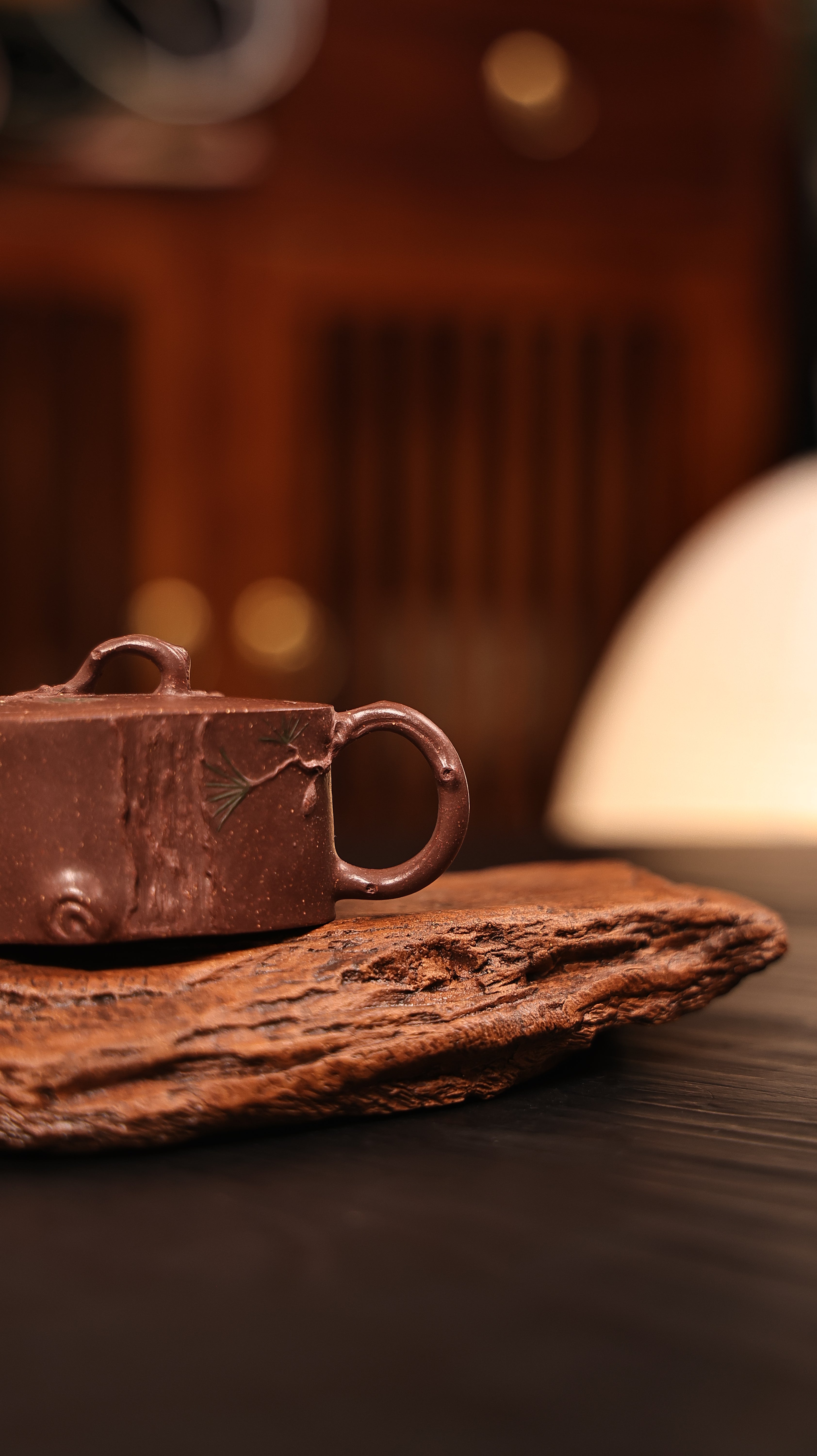
Generations in fans have long valued the distinctive charm of Yixing Zisha pots. Rooted in the small town of Yixing, the country, these teapots are made from a uncommon and mined purple clay noted for its premium thermal aspects and potency to augment the essence of infusions. Apart from their functional significance, Zisha teapots illustrate a vast heritage legacy, rendering them considerably esteemed and a real find for any dedicated teapot devotee.
Discovering Yixing Earthenware
These teapots highlight a singular combination of history and artisan craftsmanship. Founded in Yixing, Jiangsu District of China, their narrative traces to the Ming Dynasty, although indications suggest earlier examples. The unparalleled reddish-brown clay, called Zisha, found exclusively in the Yixing region, is the fundamental component, contributing to the pots' exceptional heat retention and the manner they modify the flavor of tea. Sequences of potters have enhanced techniques—often passed down through families—including crafting the clay, applying elaborate embellishments, and firing the pots at deliberate temperatures.- Initially, Yixing teapots were often ornamented with simple designs.
- Thereafter, more sophisticated carvings and iconographic motifs became widespread.
- The kiln firing itself is a vital element, requiring long durations of mastery.
Curating Zisha Teapots: Crucial Criteria
Beginning a campaign to acquire Zisha containers can be rewarding, but it’s necessary to learn what to examine. Authenticity is important; focus on the earth’s natural tinge, a delicate reddish-brown is standard. Examine the structure; genuine Zisha has a characteristic tactile sensation, often depicted as slightly rough. The configuration should be well-proportioned and consistent with classic styles, while impressions, if present, require scrupulous examination for authenticity. Don’t hold back to consult with qualified collectors or trusted experiences – their awareness is priceless.
Traditional Pitchers: Understanding the Lineage of Yixing Zisha Clay
Generations have seen Yixing Ming Clay teapots preserve a unique role in Chinese history. These meticulously formed pots, sourced exclusively from the area of Yixing, are celebrated for their identifiable tint, quality, and their ability to Chinese Teapot enrich the profile of tea. Numerous collectors pursue antique Yixing teapots, appreciating them deeply not only for their aesthetic loveliness, but also for the heritage they express.
Yixing Zisha Teapots: An Top Kinds and Their Attributes
Yixing Pottery teapots, sourced from the authentic territory of Yixing, the country, are esteemed for their singular clay and excellent brewing functions. Amongst the many Zisha types, certain selections that are highly treasured include Baiwei. Binzhou, known for its vivid purple shade and velvety texture, delivers a soft flavor. Duan Ni clay, recognizable by its brownish color and slightly grainy feel, is perceived to enhance a robustness. Lastly, Zhuni variety boasts an infrequent red tone and can offer a agreeable nuance. Each class presents a distinct experience, affording them notably desirable with beverage enthusiasts.
Perfecting Unique Earthenware Kettle
To tap into the capability of your Yixing vessel, understanding the correct modus operandi is indispensable. These clay vessels, celebrated for their porosity, will successively incorporate the flavor of the tea you formulate within them. Begin by flushing the teapot thoroughly with tepid water. Then, use only top-grade loose leaf tea, as lower quality options can weaken the vessel’s delicate nuance. Always permit the leaves to expand completely, and remember that with each preparation, your Yixing vessel will become perpetually special.
Protecting Your Invaluable Zisha Artifact
Proper upkeep for your Zisha kettle is crucial to extending its value and significance. Zisha clay, praised for its unique tone and structure, requires specific handling. Never use corrosive cleaners, as these can wreck the finish. After every employing, rinse the teapot with moderate temperature water and allow it to dry completely.
- Shun soaking the jar for extended durations.
- Sporadically use a soft rag to dress the exterior.
- Consider applying a thin layer of food-grade lubricant inside the urn after drying, which can prevent staining.
Introduction to Yixing Earthenware
Yixing kettles, originating from the Yixing region in Jiangsu Province, part of China, are celebrated for their distinctive peculiarities. Made from the unique purple ground known as Zisha, these pitchers are prized by tea enthusiasts worldwide. This overview will succinctly explain the nuts and bolts – covering varieties of Zisha material, typical shapes, and fundamental care tips. Understanding the origin of Yixing earthenware can expand your appreciation for this celebrated example of Asian artistry.
Expertise of Oriental Pots: Highlighting Zisha sourced from the Yixing district
Zisha material from the Yixing territory represents the pinnacle of Yuan vessel design, showing a exclusive compound of raw beauty and valuable artistry. These celebrated pieces are renowned for their rich color schemes, often spanning dark purples and red hues to soft greys and light beiges. The distinct mineral composition of the native Zisha ground imparts a defining texture and yields a desirable aroma that boosts the total infusion experience, rendering them very desired collectibles and vital components of any serious tea.